Alberts Discusses Expected Impacts of Banking Litigation in 2022

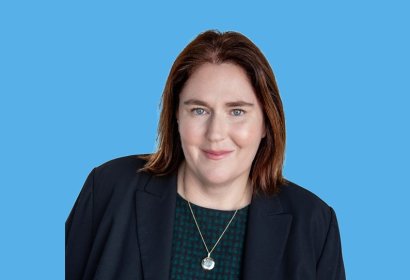
In a new article by Law360, partner Jeffrey Alberts overviews the impact of moving litigation in the banking and finance space and discusses the resulting momentum and challenges possible for the financial market in 2022. Read the latest Law 360 coverage of the discussion below.
According to Law360:
The arrival of the Biden administration this past year also led to some soul-searching at the [Office of the Comptroller of the Currency (OCC)] about its chartering policies and broader approach to fintech oversight, ushering in an uneasy truce between the agency and its state regulator critics.
Still, Pryor Cashman LLP partner Jeffrey Alberts told Law360 that these tensions could flare up again in the coming year and spark renewed litigation over the future of regulation for the banking industry's fintech rivals.
"The fight between the OCC and the state banking regulators over who's going to regulate fintechs isn't over," said Alberts, who works in his firm's financial institutions and fintech groups.
For one, Alberts noted that the previous fintech charter lawsuits were never resolved on the merits.That's left open the core legal question of whether federal law permits the OCC to license and regulate fintechs as banks if they don't take deposits, which most fintechs avoid because of the additional regulatory burdens involved.[...]
Figure also modified its application last month to indicate that its proposed bank will seek deposit insurance after all, a pivot that may head off the CSBS lawsuit for now. But the underlying questions about the limits of the OCC's chartering authority remain.
"The OCC is still taking the position that it has a right to issue charters to fintech companies, but it's less clear what the circumstances are under which it wants to do that," Alberts said. "It seems likely that this dispute may end up becoming ripe in 2022, and we could finally get some kind of decision on whether or not the OCC does have the chartering authority it says it has."