
Soloway Discusses Issues Facing Distressed Hotel Properties
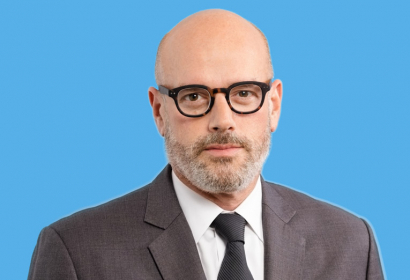
Pryor Cashman Partner Todd E. Soloway, co-chair of the Litigation Group and chair of the Hotel + Hospitality Group and Real Estate Litigation Practice, spoke with Law360 about issues facing distressed hotel properties in the current market.
In “Troubled Hotel Properties On Shaky Ground As Debt Matures,” Todd outlines what he’s hearing from clients:
Todd E. Soloway, head of the hotel and hospitality group and real estate litigation practice at Pryor Cashman LLP, believes that the overall hospitality market is “relatively hot” right now in terms of revenue. But he said that many hotels can no longer sustain their debt obligations due to the recent spike in interest rates, as loans coming due that were at lower rates now must be refinanced at rates that run as much as hundreds of basis points higher.
“Every single call I’m getting is about this,” Soloway said. “Each stakeholder has a goal. Owners are trying to hold on and not get foreclosed either by their mezzanine lender or their first mortgage lender. Brands are trying to stay in and manage and operate properties after they’re being foreclosed, and they’re trying to work with the owners and the lenders to try to hang in there and not lose their license or management agreement.”
He also talks about how rising interest rates are impacting foreclosures:
Looking at the post-pandemic climate of rising rates, Soloway said that what he’s seeing in his legal practice is foreclosures by first mortgage lien holders who had previously been patient. And mezzanine lenders are getting aggressive and asserting their liens and conducting UCC foreclosures to protect their interests, he said.
“The situation we're facing here is that if you had a loan at a certain rate, and it comes due, or your construction costs get out of whack and you’re not earning the revenue to sustain your debt obligations, you’re going to go into foreclosure. People aren't waiting anymore,” Soloway said.
In the last economic cycle, before the increase in interest rates, there was a lot of liquidity in the market, but those days are over, he said.
“There was so much money out there, and interest rates were low,” Soloway said. “If there was any type of distress, it got fixed up quickly. You could borrow more money, you could get more money from other equity sources. Now it’s not so easy.”
Read the full article using the link below (subscription may be required).